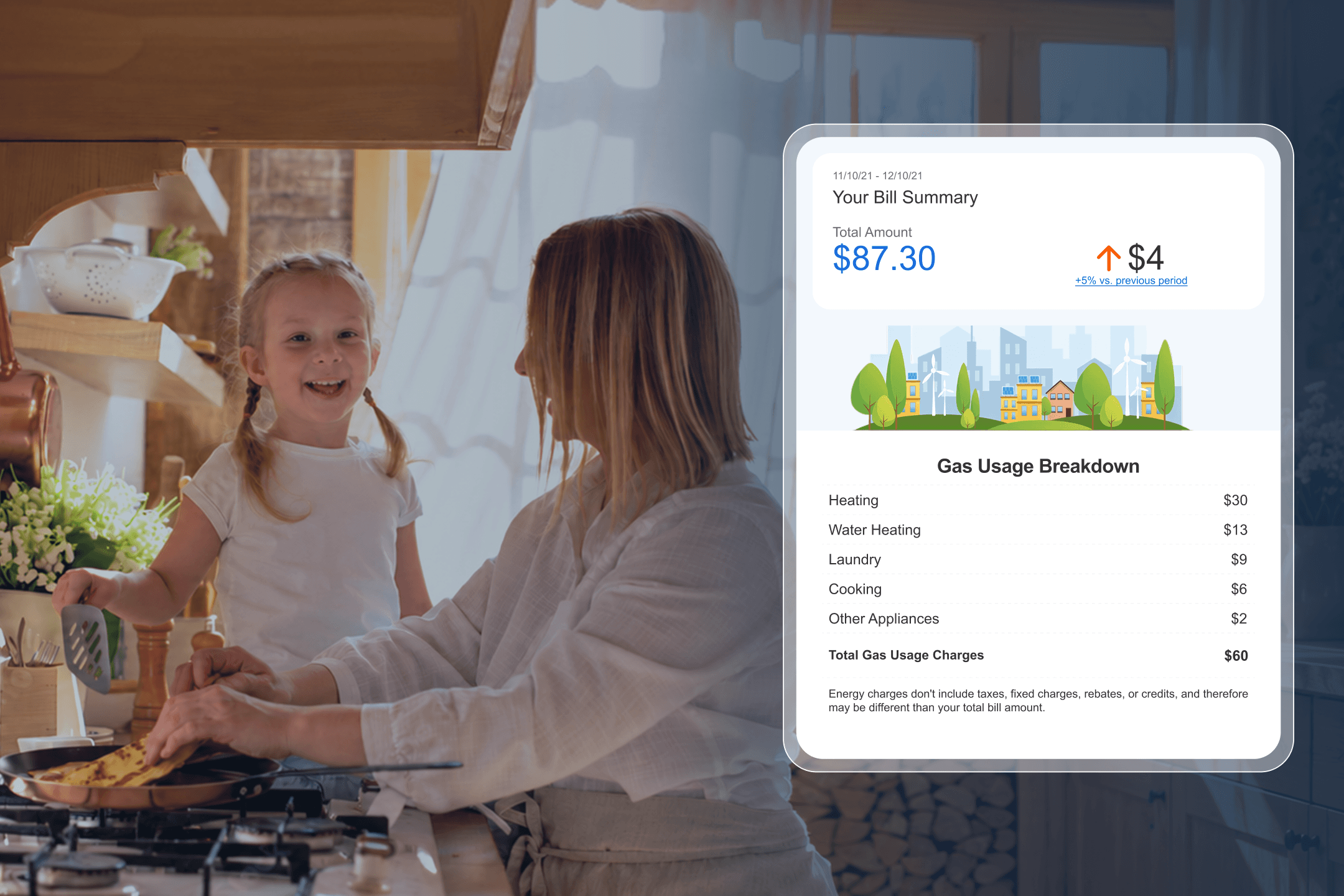
Electrification continues to dominate the energy efficiency narrative, with policy attention and public funding advancing the idea that the cleanest path forward runs entirely on electricity. The truth is that electrification is an important piece of the clean energy puzzle, but it isn’t the whole picture. Gas is also an integral part of the energy solution we need.
First, it is a matter of affordability. Gas appliances provide more affordable and accessible energy to the customers who need it the most, especially in cold weather climates where heating drives the bill. Efficiency programs build on that advantage further by reducing overall energy consumption and lowering bills for families who opt in to utility programs.
The need for gas is also a matter of supply. Energy demand is climbing quickly, driven by population growth and the proliferation of data centers, and electricity alone can’t keep up with the growing need. Gas already carries a large share of the load, and full electrification is not a realistic way to maintain reliable energy across service territories.
For gas to keep its seat at the table, gas utilities need efficiency programs with measurable results. Regulators are asking for more, and two opportunities stand out: precision program targeting and continuous program measurement.
Precision Program Targeting
Most gas efficiency outreach still follows a mass marketing playbook, such as sending mailers to an entire service territory or hosting a table at a community event. Program participation and savings both improve when program teams focus instead on reaching those households that are most likely to enroll and, once enrolled, most likely to save.
Behind-the-meter intelligence makes sharper targeting possible, using the usage data a utility is already collecting to pinpoint how much gas each home is using and when, broken down by appliance category. Precision program targeting can benefit programs across the portfolio such as rebates, insulation, weatherization, low income, and new construction to match the right homes to the right programs. Ultimately, better targeting leads to greater enrollment and increased program savings.
Continuous Program Measurement
Continuous program measurement is what lets a utility fine-tune a program while it is still running. Behind-the-meter intelligence transforms efficiency from a report filed after the fact into an ongoing flow of information that utility leaders can use to optimize programs and make adjustments in time to hit their goals.
Reliability over time matters as much as total savings. Behavioral programs like home energy reports earn their savings year by year, so pairing them with longer-lived measures such as insulation and equipment upgrades creates a more resilient portfolio. A utility tracking which customers it has engaged across programs and how their usage has evolved is able to plan around those savings the same way it plans around any other supply resource.
Looking Forward
The country needs more energy than any single source can provide. Gas already carries a large share of that load, and efficiency is what allows it to do so at the lowest cost to customers and greatest benefit to the system. Behind-the-meter intelligence helps a utility grow that contribution by precisely targeting programs to the right homes and measuring what they deliver. To meet the growing regulatory demands and keep gas as an important part of the energy conversation, gas utilities need to get even more strategic with their programs.
Learn more about how Bidgely's Gas Solutions turn meter and other data into appliance-level insight that equips gas and dual-fuel utilities to modernize customer experience, hit therm-savings goals, and align the right customers to the right offers and programs.
← Back to Insights