Spot abnormal
consumption patterns.
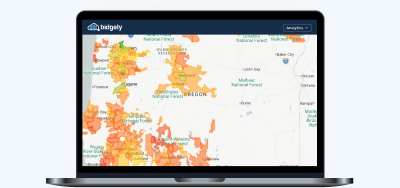
Identify abnormal consumption patterns automatically — across the full meter base, without manual scanning.
Energy theft and revenue loss often go undetected until it’s too late. Traditional methods rely on manual investigation and lagging indicators.
Bidgely uses AI-driven analytics to identify anomalies, flag high-risk accounts, and prioritize investigations — reducing non-technical losses and improving recovery rates.
Jobs to Be Done
Stop chasing lagging indicators. Detect anomalies, prioritize the cases worth working, and protect revenue at scale.
Identify abnormal consumption patterns automatically — across the full meter base, without manual scanning.
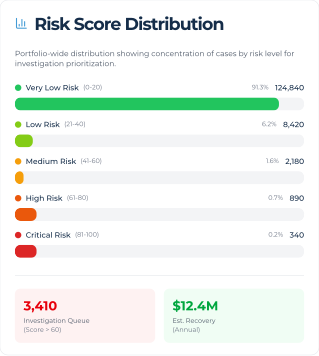
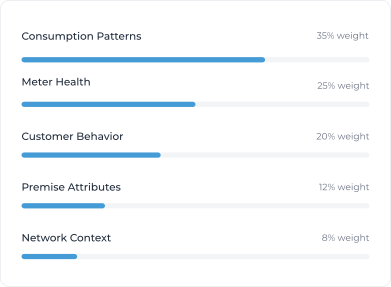
Rank accounts by AI-driven risk scoring so investigators focus on the cases most likely to be theft.
Cut revenue leakage by detecting losses earlier and improving recovery rates across your service territory.
Improve hit rate per investigation and reduce cost per case by sending crews to higher-confidence leads.
Use Cases
Each use case runs on the same AI-driven anomaly detection layer — so your investigators, revenue protection teams, and field crews operate from the same source of truth.
Detect what manual methods miss.
Stop the leak. Recover what's lost.
Send crews to the cases that matter.
Agentic Automation in Theft Detection
Bidgely’s agentic layer scans consumption data, flags anomalies, and triggers investigation workflows automatically — so revenue protection runs around the clock without analyst overhead.
Continuous anomaly detection across the full meter base — not lagging indicators
Continuously scans consumption data across the meter base to identify abnormal patterns — including the subtle ones manual methods miss.
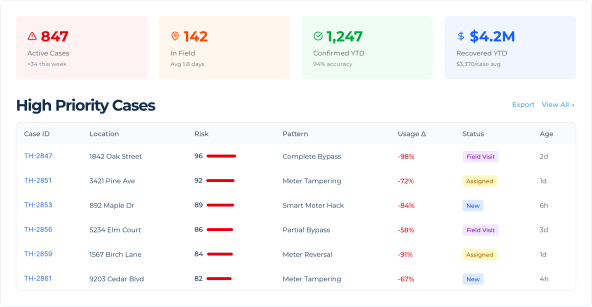
Flags and ranks high-probability theft cases by risk score so investigators always work the highest-confidence leads first.
Automatically triggers investigation, field dispatch, and recovery workflows when a case crosses the action threshold — no manual handoff required.
Resources

Bidgely detects potential energy theft by analyzing AMI and meter consumption data for anomalies that may indicate non-technical loss. Detection starts from the usage pattern rather than from a complaint, a billing review, or a field observation.
Manual methods are slow and miss subtle patterns. Bidgely's anomaly-detection models analyze smart-meter consumption data and surface anomalous accounts for investigation.
Investigations start from current account-level signals instead of lagging indicators.
Bidgely prioritizes theft cases through AI-driven lead ranking rather than flat exception lists. Leads are ranked using signals such as recency, frequency, model confidence, and theft type, so investigators work the highest-confidence cases first.
Analyst hours and crew capacity go to the accounts carrying the strongest risk signals.
Bidgely reads AMI data for changes in how an account consumes energy over time, identifying abnormal patterns across the meter base.
Granular 15-minute and 30-minute interval data surfaces hidden anomalies, including the subtle ones manual review misses.
What reaches the analyst is a customer-level lead, ready to enter an investigation workflow.
Bidgely reduces non-technical losses by detecting and ranking theft leads, then supporting lead assignment, field inspection, and revenue booking.
Theft detection, revenue protection, and operational efficiency draw on the same anomaly-detection layer, so investigators, revenue protection teams, and field crews work from the same source of truth.
Suspicious accounts surface early enough to act on before leakage compounds.
Bidgely makes revenue protection field work more efficient by ranking uninspected theft leads using factors such as recency, frequency, model confidence, and theft type. Field teams reach accounts with clearer signs of loss and spend less of the day on low-probability visits.
Crews and analysts work the same ranking, so field priorities and investigation priorities do not diverge.